Bangladesh Road Transport Authority is a government body that actually governs the road transport system within Bangladesh. Since its inception in 1987, the work of BRTA operates under the Ministry of Road Transport and Bridges. It pays attention to the safety and compliance and efficient working of the entire transport sector in the country. With the fast urbanization and economic growth of Bangladesh, transport has become a priority area that requires efficient management and regulation. The BRTA plays a vital role in issuing driving licenses, registering vehicles, enforcing traffic laws, and promoting road safety. Companies that provide vehicle-related services, logistics, and transportation often use BRTA to get regulatory clearances and maintain compliance.
Functions
They include:
The granting of driver’s licenses
Drivers’ licenses, both personal and professional, are issued and renewed by BRTA. To make sure drivers fulfill safety requirements, the procedure consists of written examinations, hands-on driving evaluations, and medical exams.
Registration of vehicles and transfers of ownership
To drive a motor vehicle lawfully in Bangladesh, it must be registered with BRTA. Road permits, car registration certificates, and ownership transfer services are offered by the authority for both private and business automobiles.
Roadworthiness certification
BRTA evaluates both private and commercial cars for fitness in order to guarantee safety. It is illegal to drive a car that does not adhere to roadworthiness regulations. Due to mechanical breakdowns, there is a decreased chance of traffic accidents.
Implementation of traffic laws and rules
BRTA is responsible for implementing traffic rules concerning speed limits, management of vehicle emissions, and compliance with the provisions of transportation regulations. To implement certain penalties stipulated in the laws, the board collaborates with traffic police to impose penalties for such traffic violations as overloading, irresponsible driving, and parking without permission.
Route approvals and transport permits
For public and commercial transportation providers to operate lawfully, BRTA licenses are required. The authority ensures that transportation services are distributed properly by issuing route licenses for trucks, buses, and other commercial vehicles.
Tracking operators of public transportation
In order to guarantee that they adhere to transportation laws, BRTA regulates ride-sharing services, transport firms, and bus and truck drivers. In addition to monitoring passenger safety protocols and handling operator complaints, it establishes tariff structures.
Tax collection on vehicles
Road tax, renewal fees, and non-compliance fines are all collected by BRTA. Road upkeep, traffic control, and infrastructure upgrades are funded in part by these earnings across Bangladesh.
Increasing knowledge of road safety
In order to educate drivers, passengers, and pedestrians about road safety, BRTA runs campaigns, seminars, and training courses. It collaborates with transportation organizations, schools, and traffic cops to encourage safe driving practices.
How and when companies interact with BRTA
These include:
Companies that deal with logistics and transportation
Companies that operate delivery, logistics, or public transportation must register their cars, get fitness certificates, and get BRTA route licenses. Commercial cars are prohibited from using Bangladeshi highways without these permits.
Services for renting a car and sharing rides
For lawful operation, ride-sharing services like Uber, Pathao, and Shohoz must abide by BRTA rules. Assuring vehicle health, registering drivers, and licensing their fleet are all part of this. Similar licenses are needed for car rental companies as well.
Motor vehicle manufacturers and dealers
Car importers and dealerships obtain registration of newly imported cars at BRTA before the sale into the market. Furthermore, safety and pollution regulations concerning vehicles must meet before their approval of importers and manufacturers for sales in the country.
Businesses in heavy machinery and construction
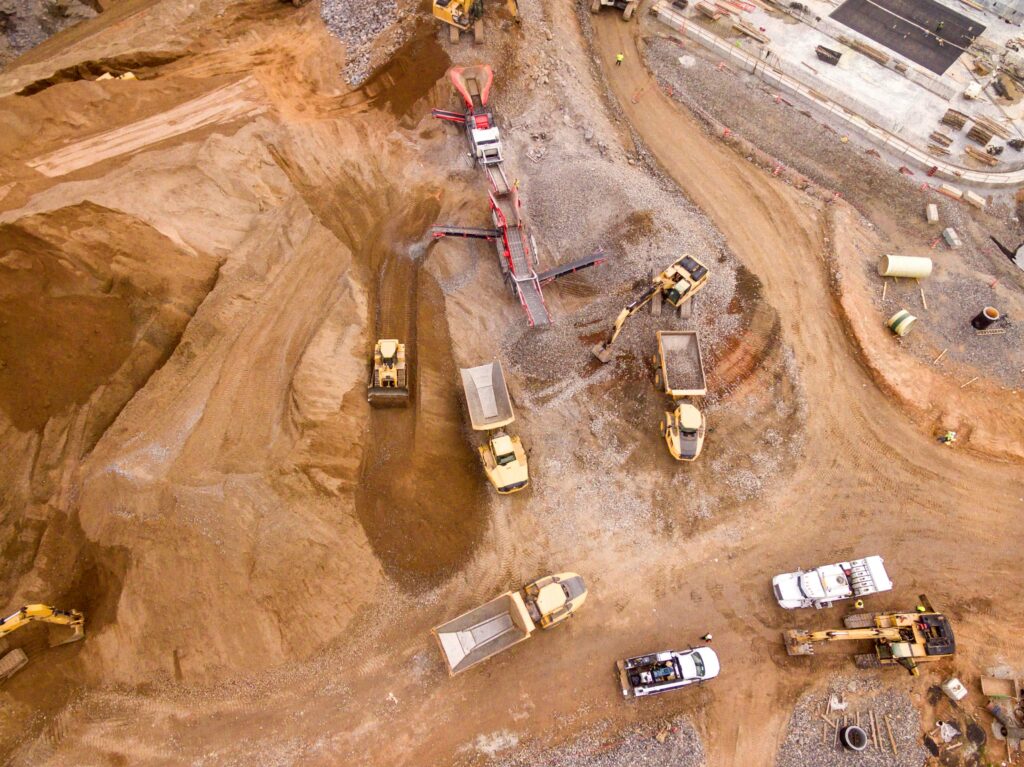
Firms that use heavy machinery, including excavators, cranes, and dump trucks, are required to get BRTA fitness and registration certifications. Additionally, these companies need specific permissions in order to drive big trucks on public roadways.
Truck and bus drivers
BRTA requires that operators of freight transport services, intercity buses, and cargo trucks obtain licenses and route permits. This guarantees that automobiles meet standards for both freight weight and passenger safety.
Delivery services for e-commerce and couriers
BRTA-registered bikes and transport vehicles are required for businesses that provide last-mile delivery services, such as food and package delivery. These companies might face fines or interruptions in service if they don’t have the right paperwork.
Vehicles owned by the company and corporate fleets
Road fees, vehicle registration, and BRTA compliance are all requirements for large firms that possess fleets of automobiles for executives or staff. Renewing insurance policies and vehicle fitness certifications is part of this.
Media and film production enterprises
Media companies that employ specialized vehicles, including advertising trucks, production vans, or mobile studios, need to have BRTA licenses. The regulatory authorities may also need to approve some promotional activities using branded automobiles.
You may also find these articles helpful
Zambia – Road Transport and Safety Agency (RTSA)
Zambia National Roads Fund Agency (NRFA)