The Ministry of Agriculture, Irrigation and Livestock (MAIL) is a crucial institution of government and plays a very important role in the agrarian development process of Afghanistan. Agriculture has predominance in the Afghan economy, thus much of their population relies heavily on agriculture to make a living, food security, and economic stabilization at the national level. Thus, the overall objective of MAIL is aimed at promoting sustainable agricultural practices and productivity, improving welfare among farming and livestock-rearing communities.

Core responsibilities
MAIL serves as the custodian of agricultural development in Afghanistan. Among its principal duties are:
Policy development
To promote agriculture, irrigation, and cattle, MAIL creates and carries out policies. Sustainable use of natural resources, enhance production, and spur innovation with these regulations.
Extension services
The ministry offers training, information, and consulting services to enable farmers and agribusinesses in adopting modern farming practices.
Regulation and oversight
Agricultural operations in MAIL are expected to ensure compliance with all quality standards for pest management and animal health, meeting all domestic and foreign trade needs.
Services
MAIL’s services are designed to help agribusinesses, farmers, and other agricultural ecosystem players. Among them are:
Agricultural policy support
MAIL offers recommendations on policies pertaining to livestock development, crop cultivation, irrigation control, and land use. By doing this, companies may take advantage of government advantages while operating legally.
Extension services
To increase sustainability and production, the ministry provides training on effective irrigation systems, pest control strategies, and contemporary agricultural practices via extension programs.
Access to resources
MAIL makes it easier for people to get agricultural supplies including high-quality seeds, fertilizer, and equipment. In order to boost agricultural yields, it also encourages the building of irrigation infrastructure.
Livestock management
To guarantee healthier livestock and increased yields for the production of dairy and meat, the ministry provides veterinary care, immunization programs, and advice on animal husbandry techniques.
Regulatory guidance
To assist enterprises in meeting both local and international obligations, MAIL enforces laws pertaining to food safety, export standards, and environmental preservation.
Applicability to farming enterprises
MAIL is often used by Afghan agricultural enterprises for a range of purposes, from access to necessary services to policy assistance. The following are some such use cases:
Policy navigation
Companies use MAIL to learn about and gain from agricultural policies, such as land distribution plans, tax breaks, and subsidies. Businesses may better connect their operations with national objectives with the aid of this support.
Capacity building
Through its extension services, MAIL gives companies the information and resources they need to use creative agricultural methods, raise crop yields, and promote sustainability.
Regulatory compliance
To get access to foreign markets, exporters of agricultural goods collaborate closely with MAIL to fulfill international standards and acquire required certifications.
Resource access
MAIL provides dependable and authorized resources for businesses looking for inputs like as seeds, fertilizer, or irrigation technology.
Challenges and opportunities
MAIL has made great efforts in promoting agricultural growth, but obstacles including poor infrastructure, climate change, and unstable political environments impede advancement. These difficulties do, however, also provide chances for cooperation between MAIL, private businesses, and global organizations. The ministry has been working on the following projects:
Irrigation projects
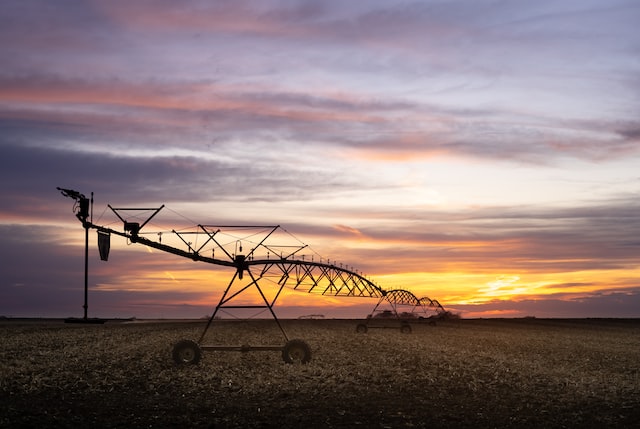
MAIL places a high priority on creating cutting-edge irrigation systems to fight water shortages and boost agricultural productivity.
Climate resilience
The ministry supports programs that strive to lessen the impact of climate change on agriculture and promotes sustainable agricultural methods.
Market access
Work is being done to improve the infrastructure for agricultural products’ export, storage, and transportation.
You may also find these articles helpful
National bank of Angola (BNA)
Non-bank financial institutions regulatory authority (NBFIRA) of Botswana
National Employment Fund (NEF) of Cameroon